Scaling up Climate Resilient Rice Production in West Africa
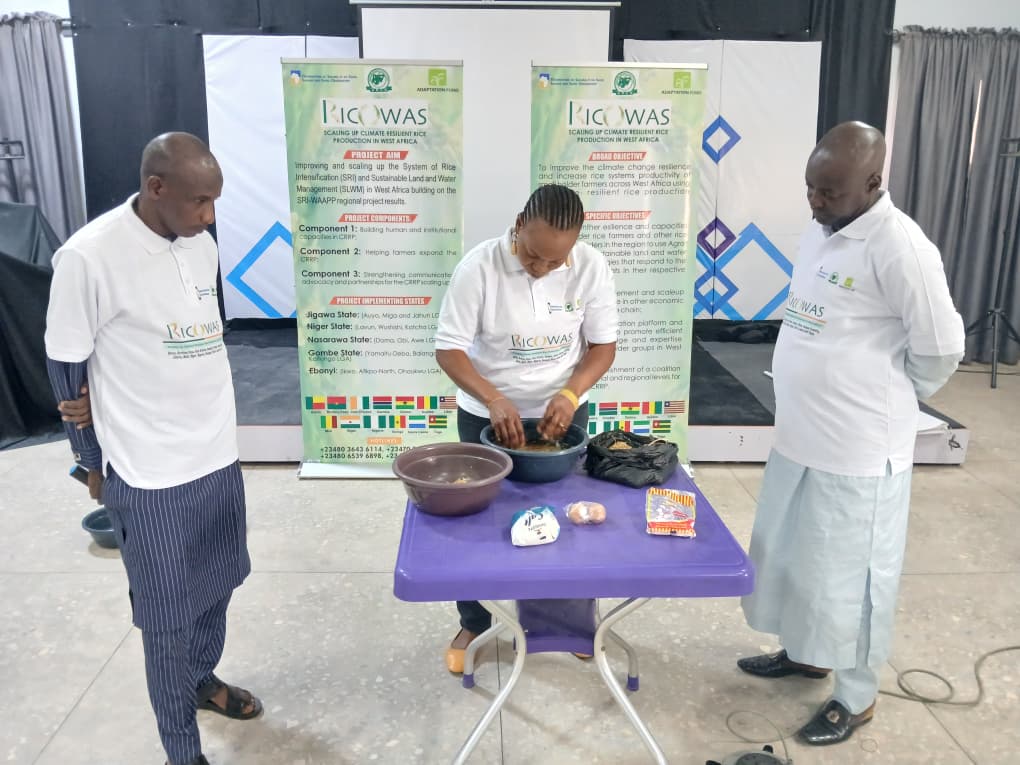
The RICOWAS project is a four-year initiative (2023-2027) implemented by the Sahara and Sahel Observatory (OSS) and funded by the Adaptation Fund.
The RICOWAS project is a four-year initiative (2023-2027) implemented by the Sahara and Sahel Observatory (OSS) and funded by the Adaptation Fund. It operates across 13 West African countries: Benin, Burkina Faso, C锟�0锟�0te d'Ivoire, Gambia, Ghana, Guinea, Liberia, Mali, Niger, Nigeria, Senegal, Sierra Leone, and Togo. Our mission is to train 153,000 rice growers in climate-smart techniques, especially the System of Rice Intensification (SRI), and indirectly benefit 1.5 million people through knowledge sharing and community networks.
To empower smallholder rice farmers across West Africa with climate-smart practices that increase productivity, resilience, and income while protecting natural resources.
A food-secure West Africa where sustainable rice production thrives, farmers are resilient to climate change, and communities prosper through collaboration and innovation.
Our work focuses on five main areas to achieve lasting impact
Train farmers and extension agents in SRI techniques, water management, and climate adaptation strategies.
Promote the System of Rice Intensification across 13 countries, reaching 153,000 direct beneficiaries.
Document lessons, create digital resources, and share best practices through platforms like this one.
Engage governments to integrate SRI into national agricultural policies and climate action plans.
Strengthen collaboration with research institutions, NGOs, and private sector for wider reach.
Ensure women and marginalized groups have equal access to training, inputs, and markets.
Key milestones from 2023 to 2027
Inception phase, stakeholder engagement, baseline surveys, and country selection.
First round of ToT conducted in Nigeria, Ghana, and Senegal. Pilot field schools established.
Expansion to all 13 countries, digital platform launch, and first harvest yields documented.
Mid-term evaluation, policy dialogues, and scaling of successful models.
Final evaluation, knowledge products, and transition plans for long-term impact.
Working together to build climate resilience
Whether you're a farmer, extension officer, or partner organization, we invite you to be part of the SRI movement.